
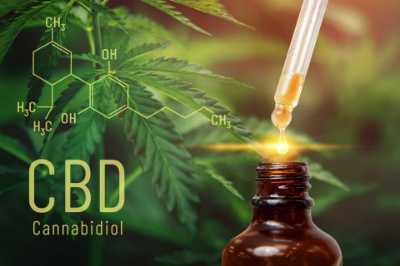
Hemp is a variety of Cannabis sativa L. that is federally defined in the United States as containing no more than 0.3% delta-9 THC on a dry-weight basis. While hemp is best known for cannabidiol (CBD), it naturally contains a wide range of other cannabinoids—many of which exist only in trace amounts.
Cannabinoids are naturally occurring compounds produced by the hemp plant. Researchers have identified over 100 different cannabinoids, and new ones continue to be discovered as analytical technology advances. Below is an educational overview of the cannabinoids that have been identified in hemp.
Major Cannabinoids Commonly Found in Hemp
These cannabinoids are the most well-known and most frequently measured in hemp products and laboratory analyses:
-
CBD (Cannabidiol)
-
CBDA (Cannabidiolic Acid) – the raw, naturally occurring form of CBD
-
CBG (Cannabigerol)
-
CBGA (Cannabigerolic Acid) – often referred to as the “parent” cannabinoid
-
CBC (Cannabichromene)
-
CBCA (Cannabichromenic Acid)
-
Δ9-THC (Delta-9 Tetrahydrocannabinol) – present only at legally compliant levels in hemp
-
THCA (Tetrahydrocannabinolic Acid)
-
CBN (Cannabinol) – typically formed as THC naturally ages
Minor Cannabinoids Naturally Present in Hemp
These cannabinoids occur naturally in hemp but usually at very low concentrations:
-
CBDV (Cannabidivarin)
-
CBDVA (Cannabidivarinic Acid)
-
CBGV (Cannabigerovarin)
-
CBGVA (Cannabigerovarinic Acid)
-
THCV (Tetrahydrocannabivarin)
-
THCVA (Tetrahydrocannabivarinic Acid)
-
CBCV (Cannabichromevarin)
-
CBNV (Cannabinovarin)
Cannabinoids Formed Through Natural Degradation
Some cannabinoids are created naturally over time as hemp is exposed to air, light, or heat:
-
CBN (Cannabinol)
-
CBNA (Cannabinolic Acid)
-
Δ8-THC (Delta-8 Tetrahydrocannabinol) – occurs naturally in very small amounts
-
Δ8-THCA (Delta-8 Tetrahydrocannabinolic Acid)
Rare and Less Common Cannabinoids Identified in Hemp
Advanced laboratory testing has identified additional cannabinoids present in trace or ultra-trace amounts:
-
CBL (Cannabicyclol)
-
CBLA (Cannabicyclolic Acid)
-
CBE (Cannabielsoin)
-
CBEA (Cannabielsoinic Acid)
-
CBT (Cannabitriol)
-
CBTA (Cannabitriolic Acid)
-
CBT-C1 / CBT-C2 (Cannabitriol Variants)
-
CBF (Cannabifuran)
-
CBFA (Cannabifuranic Acid)
Naturally Occurring vs. Converted Cannabinoids
It’s important to note that not all cannabinoids marketed in hemp products occur naturally in meaningful amounts. Some compounds—such as Delta-10 THC, HHC, or THCP—are typically created through chemical conversion processes starting with CBD. These are not naturally abundant in raw hemp flower and may be regulated differently depending on jurisdiction.
Understanding Hemp’s Natural Complexity
Hemp is a chemically complex plant. While CBD is the most abundant cannabinoid in most hemp varieties, the plant also produces a wide spectrum of additional cannabinoids, acids, and derivatives. The exact cannabinoid profile of hemp can vary based on genetics, growing conditions, harvesting methods, and processing techniques.
Final Thoughts
Cannabinoids are simply one category of naturally occurring compounds found in hemp, alongside terpenes, flavonoids, and other plant constituents. As research and testing methods continue to evolve, our understanding of hemp’s natural composition continues to grow as well.
This information is provided for educational purposes only and is not intended to diagnose, treat, cure, or prevent any disease.

